
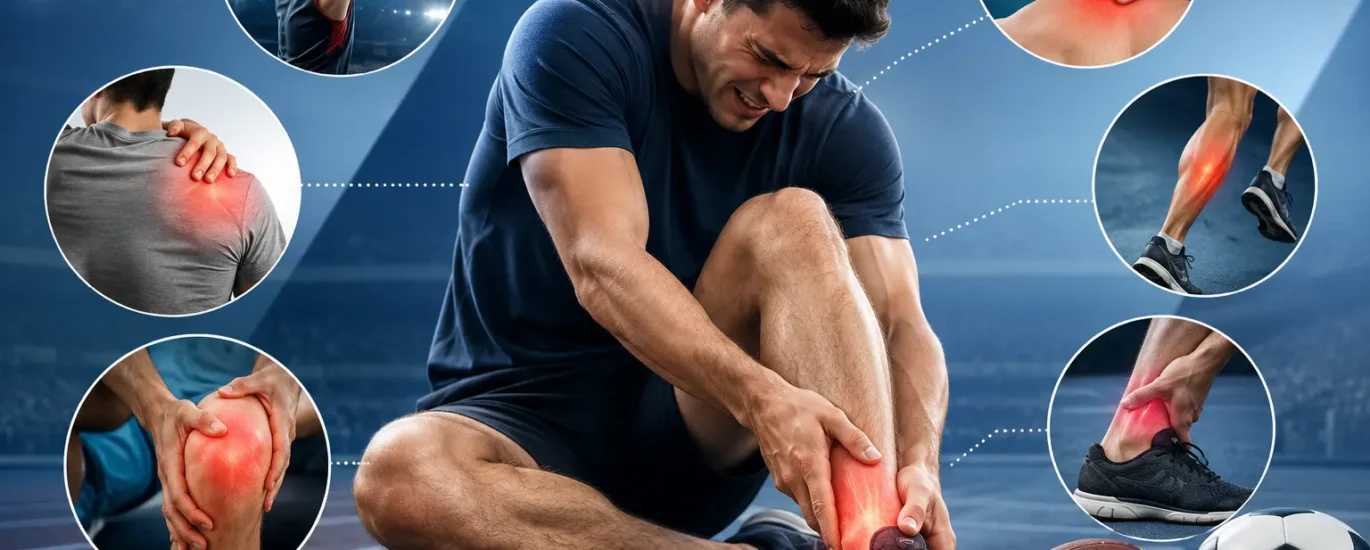
Sports and physical activity are excellent for fitness, strength, and overall health. However, sports injuries can happen to beginners as well as experienced athletes. They may occur suddenly during a game or develop gradually because of repeated stress on muscles, joints, and bones.
Understanding the main causes of sports injuries can help athletes take simple steps to reduce their risk.
What Are Sports Injuries?
Sports injuries are injuries that occur while participating in sports, exercise, training, or other physical activities. Common examples include sprains, muscle strains, ligament injuries, tendon problems, fractures, dislocations, and stress injuries.
Sports injuries can generally be divided into acute injuries, which happen suddenly, and overuse injuries, which develop gradually from repeated stress.
Main Causes of Sports Injuries
- Lack of Proper Warm-Up
Starting intense exercise without preparing the body can increase strain on muscles and joints. A proper warm-up gradually increases blood flow and prepares the body for activity.
- Overtraining and Sudden Increase in Activity
Doing too much too quickly is a common cause of sports injuries. Suddenly increasing training intensity, duration, or frequency can place excessive stress on the body.
For example, someone who rarely runs and suddenly starts running several kilometres every day may develop knee pain, shin pain, or other overuse injuries.
- Poor Technique
Incorrect movement patterns can put unnecessary stress on joints, muscles, and ligaments. Poor technique while running, jumping, lifting weights, or playing sports can increase injury risk.
Learning the correct technique from a qualified coach or trainer can help.
- Previous Injuries
A previously injured body part may be more vulnerable to another injury, particularly if rehabilitation was incomplete. Previous injury is recognised as an important risk factor for sports-related injuries.
Returning to sport gradually after recovery is important.
- Weak or Imbalanced Muscles
Muscle weakness, poor endurance, or an imbalance between different muscle groups can affect movement and joint stability. Maintaining appropriate strength and flexibility can help support the body during sports.
- Inadequate Rest and Recovery
The body needs time to recover between demanding workouts. Continuously training despite persistent pain or fatigue may contribute to overuse problems.
Rest days, adequate sleep, hydration, and appropriate nutrition are important parts of sports injury prevention.
- Improper Equipment
Worn-out or unsuitable sports equipment can contribute to injuries. Footwear is particularly important for activities involving running and jumping. Equipment should be appropriate for the sport, activity, and individual needs.
- Unsafe Playing Conditions
Uneven surfaces, slippery floors, poor lighting, extreme weather, or unsuitable playing fields can increase the chance of falls and other injuries. Environmental conditions and training surfaces are recognised injury risk factors.
- Contact and Accidental Falls
Sports involving physical contact or rapid changes in direction naturally carry a higher risk of injury. Falls, collisions, being struck by another player or equipment, and sudden movements can cause acute injuries.
How Can Sports Injuries Be Prevented?
You can reduce your risk by:
- Warming up before exercise
- Learning proper sports techniques
- Increasing training gradually
- Using suitable equipment
- Taking adequate rest and recovery
- Maintaining strength and flexibility
- Following appropriate safety rules
- Not ignoring persistent pain
Being physically fit and increasing activity gradually can also help reduce injury risk.
When Should You See an Orthopedic Specialist?
Consult an orthopedic specialist if you experience severe pain, significant swelling, difficulty putting weight on a limb, restricted movement, visible deformity, repeated injuries, or symptoms that do not improve with rest.
Early assessment can help identify problems and guide appropriate treatment.
Is Hip Replacement Needed for a Sports Injury?
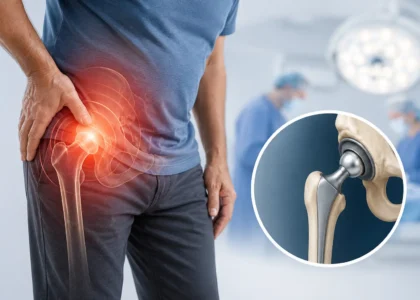
Hip replacement is not a routine treatment for sports injuries. Most sports-related hip problems are initially managed with appropriate rest, activity modification, physiotherapy, medication when medically suitable, and other non-surgical treatments.
Hip replacement may be considered when the hip joint has severe, irreversible damage, such as advanced arthritis, and pain and disability remain significant despite appropriate non-surgical treatment. The decision depends on the individual’s symptoms, examination, imaging, age, activity level, and overall health.
The goal of hip replacement, when appropriate, is to reduce persistent pain and improve everyday function—not simply to treat a sports injury.
Frequently Asked Questions
What is the most common cause of sports injuries?
There is no single cause. Overuse, falls, collisions, poor technique, sudden increases in training, previous injuries, and inadequate conditioning can all contribute.
Can sports injuries be prevented completely?
Not always. However, proper training, gradual progression, warm-up, suitable equipment, recovery, and good technique can significantly reduce risk.
Should I continue playing if I have pain?
It depends on the cause and severity. Persistent or worsening pain should not be ignored. Continuing an activity that aggravates an injury may delay recovery.
How long does a sports injury take to heal?
Recovery varies depending on the type and severity of the injury. A minor strain may improve quickly, while ligament injuries or fractures can require much longer rehabilitation.
Conclusion
Sports injuries can happen for many reasons, but understanding their causes makes prevention easier. Avoid sudden increases in training, use proper technique, allow adequate recovery, and take pain seriously.
If you have persistent sports-related pain or difficulty returning to normal activity, consult an orthopedic specialist for proper evaluation and treatment. Early attention can help you return to your sport safely and confidently.